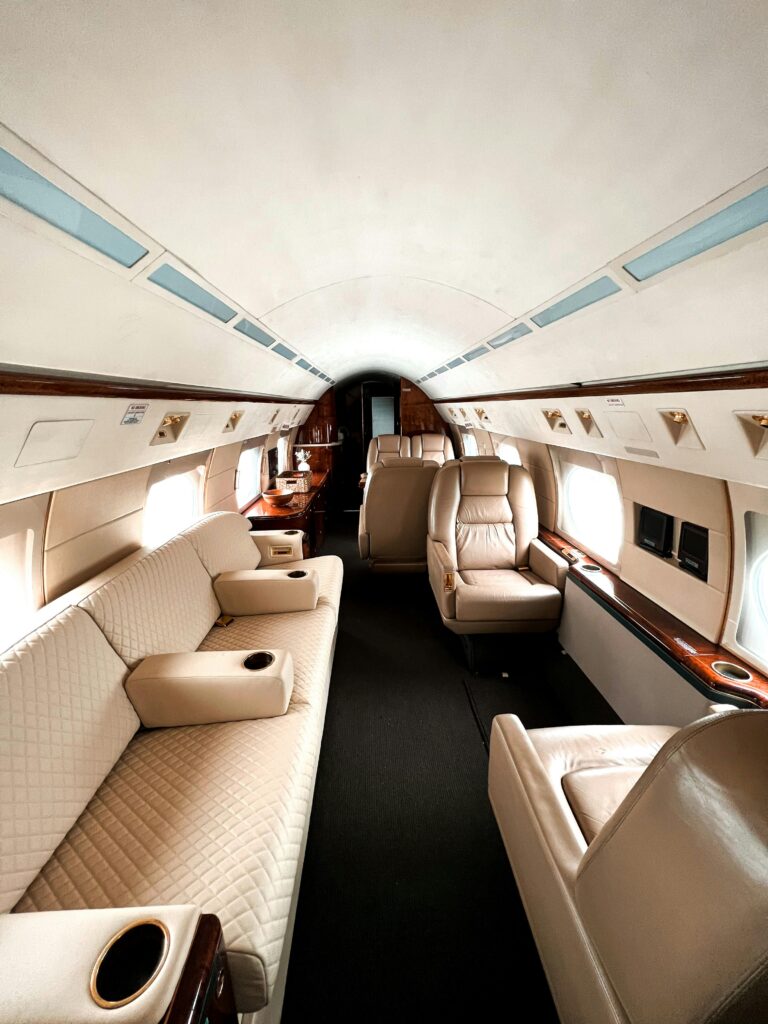
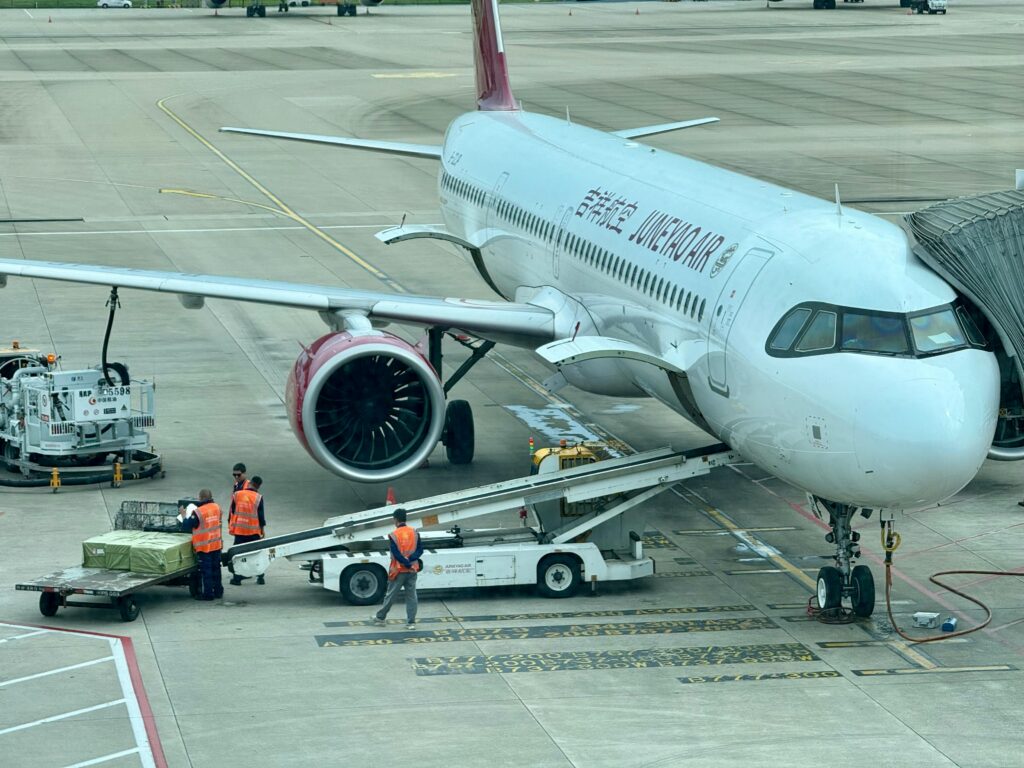
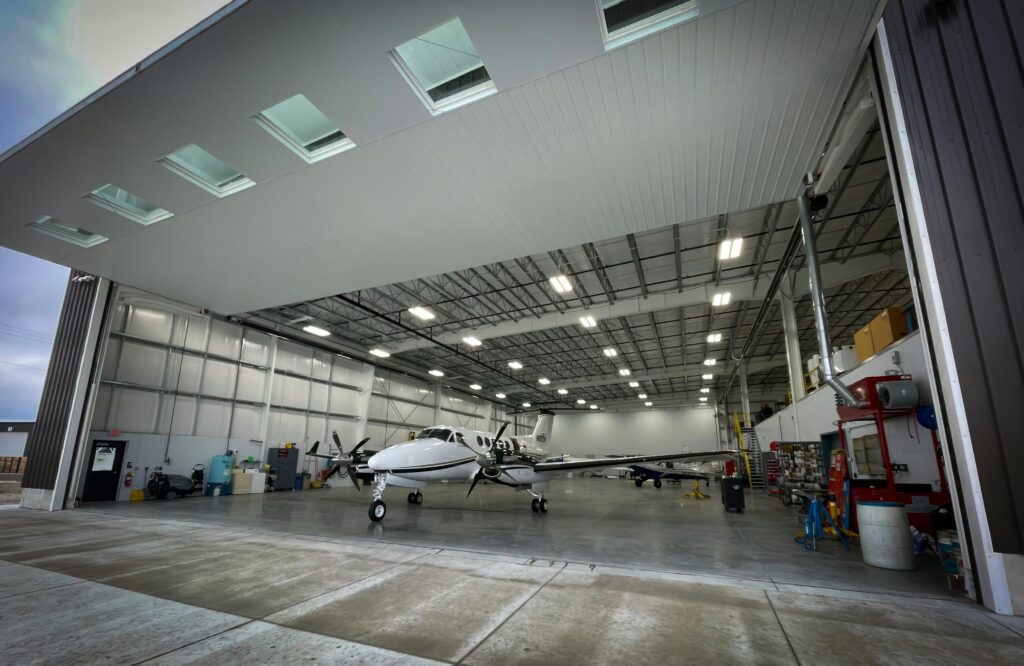
Introduction In private aviation, the flight experience isn’t defined only by the aircraft. A major part of reliability, comfort, and safety happens on the ground—before the engines start. That entire set of activities is called ground handling, and it’s the reason a private jet can depart smoothly, discreetly, and on schedule. If you’ve ever wondered what happens from the moment a jet parks on the ramp until it reaches the runway, this guide breaks it down in clear, practical steps. 1) What “Ground Handling” Actually Means Ground handling covers all services provided to an aircraft while it is on the ground, including: For business aviation, the key difference is precision + discretion. Everything is scheduled tightly, often with VIP requirements and minimal waiting. 2) Ramp Safety: The First Priority The ramp is the active area around the aircraft where vehicles, equipment, and personnel move. It’s also one of the highest-risk environments in aviation because: Good ground handling starts with: This is how teams prevent avoidable damage and delays. 3) Aircraft Arrival: Parking, Marshalling, Chocks When the aircraft arrives at stand: In private aviation, timing matters. A smooth arrival setup keeps passenger movement discreet and fast. 4) Passenger Handling: Quiet, Fast, Organized Passenger handling in business aviation is designed to be: Typical steps: If a client has tight connections, every minute counts—this is where a good handling team makes a big difference. 5) Baggage Handling: Weight, Balance, and Security Baggage loading isn’t just “putting bags on the jet.” For safety and performance, it must follow: For a smooth operation: In business aviation, the goal is fast without compromising safety. 6) Catering: More Than “Food” Catering is one of the biggest quality signals in private jet service. But behind the scenes, it’s logistics: Even a small catering delay can impact a departure slot—so catering is planned early and confirmed close to departure. 7) Fueling: The Most Time-Sensitive Task Fuel coordination includes: Fueling is often the single biggest variable affecting turnaround time, especially when multiple flights are queued or the airport is busy. 8) Cabin Prep: Cleanliness, Comfort, and Readiness Cabin preparation usually includes: In high-end charter, cabin readiness is part of “brand trust”—clients notice details. 9) Flight Support: Permits, Slots, Weather, and Coordination While physical handling happens outside, an operations team coordinates: This is the part that ensures the aircraft can actually depart legally and on time. 10) Departure: Final Checks and Push to Runway Before departure: The best ground handling is invisible: clients experience it as “smooth.” Conclusion From ramp to runway, ground handling is the hidden system that protects safety, saves time, and keeps private aviation truly premium. When it’s done correctly, the client doesn’t see the complexity—only the result. Kenbri Flights approach: We coordinate private aviation services with reliable ground handling partners to keep departures smooth, discreet, and on schedule—especially for time-sensitive business travel.